
A New Recognition for CNR-IFN in Engineering and Technology
Eva Pogna, Senior Researcher at CNR-IFN and coordinator of the ERC-StG TREAT project, has been appointed a Junior Member of the Italian Academy of Engineering


Eva Pogna, Senior Researcher at CNR-IFN and coordinator of the ERC-StG TREAT project, has been appointed a Junior Member of the Italian Academy of Engineering
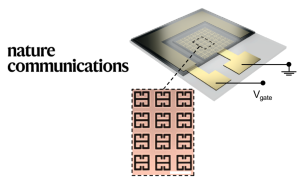
A ground-breaking study led by researchers from Istituto di Fotonica e Nanotecnologie (IFN-CNR), Università di Padova, Politecnico di Milano, Istituto Italiano di Tecnologia, University of
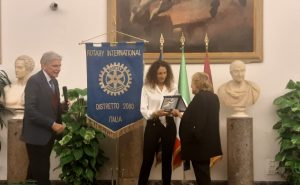
The 2024 Marcello Sgarlata Award Ceremony took place on Monday, November 4th, in the Protomoteca Hall at the Capitoline Hill in Rome. The award celebrates
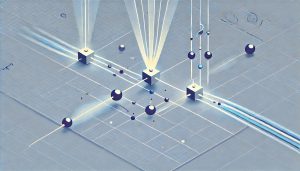
Generating and manipulating randomness is essential for numerous information technology applications, ranging from simulation of physical systems to cryptography, and quantum mechanics has been shown

A Post-Graduate Scholarship is available at IFN-CNR (Milan unit) on the project “BISTROT –BIfacial SpecTRal splitting Optical concentrator for 4-Terminal photovoltaics”. Description: The activity contributes

With its game-changing technology, the nanoSCAN project will provide crucial 3D spatial biology imaging insights into cell and tissue function, improving the effectiveness of cancer